
The digital age has impacted how we are going to manage our money. We no longer have to wait in line at the bank; with just a few taps and swipes, we can go into our accounts, make payments, and even invest right from our smartphones. But this convenience comes with a danger: cybercrime. In 2022, th...

Ever feel like your paycheck disappears faster than a magician's rabbit? Wish you could finally afford that dream vacation or comfortably sail into retirement? You're not alone. But here's the secret superpower locked away in your wallet: money management.
It’s not just about money budgeting and spr...

Imagine a life free from the burden of debt. No more sleepless nights worrying about bills, no more feeling trapped in a cycle of minimum payments, and no more sacrificing your dreams for financial obligations. This freedom is within your reach, and I'm here to be your guide on the path to achieving...

We’ve all suffered from lack of motivation at one time or another—whether it’s putting off taking out the garbage, going to the gym, or starting a new career. While we can’t fix all your motivational issues, we can point out a couple of things that can help you prepare for your real estate exam.
...

Here at Rockwell, we take lunchtime very seriously. We also love Mediterranean food and we love food trucks. Imagine our joy when we learned that a food truck from one of our favorite Seattle restaurants, Mr. Gyros, has started popping up regularly on the Microsoft campus, just a few miles from our...

Welcome back to our Instructor of the Month series. This month, we’re talking with Nancy Adelson, who coordinates North Seattle Community College’s Real Estate Program. She teaches Real Estate Fundamentals, Practices, and Finance, as well as Introduction to Business and Introduction to Marketing.
R...

Welcome back to Rockwell's Instructor of the Month series. This month, we’re talking with Jay Mumford, who teaches Principles of California Real Estate and California Real Estate Practice at Chabot College in Hayward, California.
Rockwell: How long have you been teaching?
Jay: I’ve been teachi...
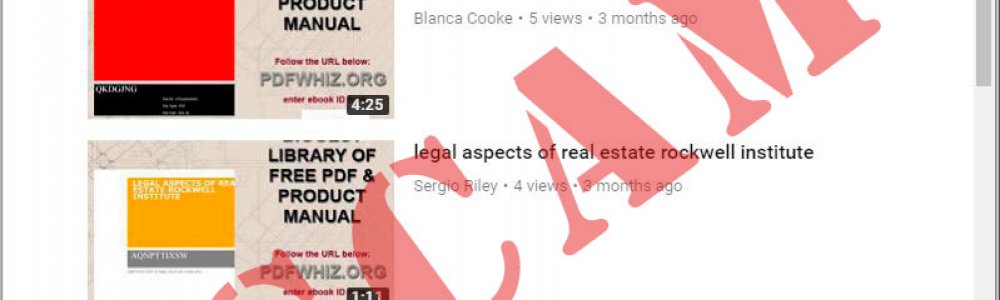
Recently we discovered that a search on YouTube for "Rockwell Institute" brought up some videos offering free Rockwell textbooks for download. To get the books, all one had to do was go to a website and enter a book code. We knew this couldn't be right, so we investigated. What we found was troublin...

For today's restaurant review, we decided it was time to pay a visit to one of our very favorite Thai restaurants, Nibbana. Located in downtown Bellevue, Nibbana is a bit further out for real estate students attending our live lecture real estate class, and it tends to be overlooked as a lunch optio...
You have one day to cram for the real estate exam. What do you do? A lot has been written about effective exam prep strategies, but many of them require advance planning. What if your exam is tomorrow? Don’t freak out—we’ve got some tips for you.
First: Take a deep breath and relax. Don’t waste yo...

Welcome back to our Instructor of the Month series. This month, we’re talking with Martin Welc, who chairs the Real Estate Department at Saddleback College in Mission Viejo, CA.
Rockwell: How long have you been teaching?
Martin: I’ve been teaching for 26 years, since my undergraduate days when...

You already know about the benefits of exercise to overall health; adequate exercise is widely acknowledged to help prevent any number of physical maladies including heart disease, diabetes, and depression.
You probably also know that regular exercise improves cognition, memory, and focus. Several...

If you're going to take the real estate exam soon, be warned: during the exam, you may feel hurried and want to pounce on the first answer choice that sounds right. (The same thing can happen when you take Rockwell's practice exams.) Much of the time, the first answer that sounds right is in fact ri...
Most of us learned in elementary school that making lists and then memorizing them is a top study technique. However, here's a new twist on list-making: the serial positioning effect. This refers to the way the brain retains information depending on the order in which it's presented.
There are two...
We think getting your California real estate broker's license is a great idea. But if you're not sure where to begin, we're here to help.
Of course, since this is Rockwell's first blog post, we should probably introduce ourselves first and explain why we're here. We've been a real estate school an...

Do you have a Facebook page to promote your real estate business? I don't mean your own personal Facebook profile where you view your friends' photos and play Farmville. I mean an actual Facebook page (like Rockwell's Facebook page) to promote your real estate business. No? You should, and here's wh...

It's been a while since our last restaurant review, but that doesn't mean we've stopped eating out! Some new restaurants have popped up in our neighborhood and we plan to try them all. Today's review for our Bellevue real estate students is for Dough Zone, a Chinese dumpling house that opened up the...

Spring weather has finally arrived in Bellevue! We were happy to walk a few blocks to enjoy a quick outdoor lunch today at Byblos Deli. Byblos is a small grocery store with a few rows of Mediterranean groceries and a deli counter serving up a variety of tasty sandwiches, spreads, and salads. Our fav...
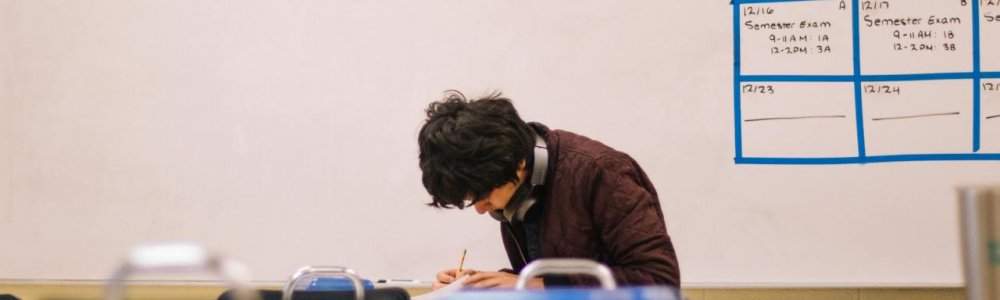
Taking the real estate exam soon? Check out Rockwell's studying and test-taking tips! We cover everything from reducing test anxiety and staying motivated to eating well on exam day. Read on...and good luck!
Test-Taking Tip: Visualizing Exam Success
The Fidget Widget: Work in Some Moves to Help...
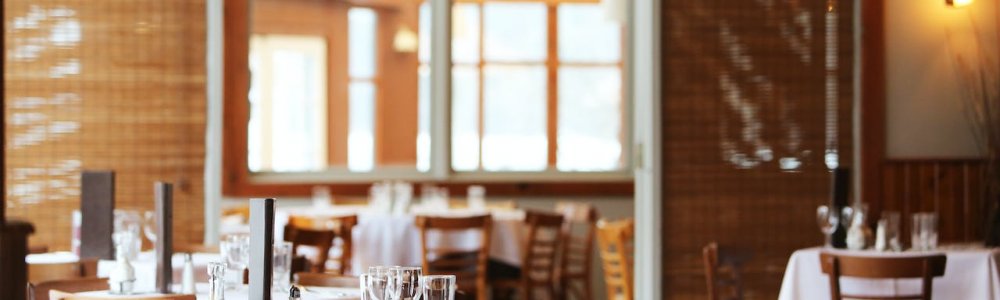
Today's restaurant review for our Bellevue real estate students spotlights a great place for both breakfast and lunch: Sugee’s Box Lunch Co.
Sugee’s (pronounced “Shugee’s”…as in, short for “Sugar”) is located right across the street from our office complex, but it can be a little hard to find. It'...
September means going back to school, changes in the weather, and…the California Realtor Expo! It looks like the Expo has a good line-up of speakers this year—lots of experts talking about social media and technology, plus good stuff on marketing, closing short sales, etc. If you’re planning on atte...
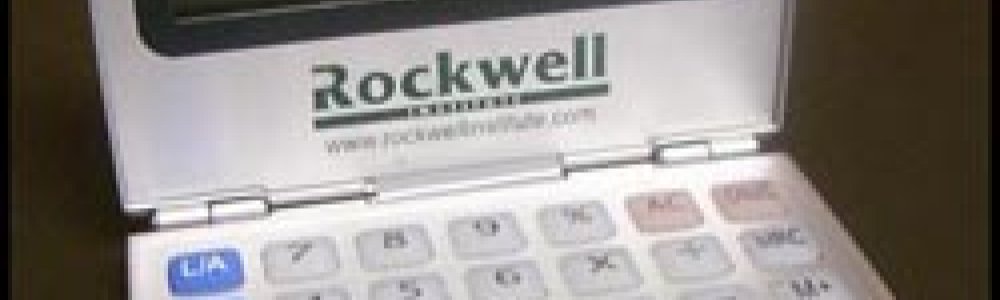
The writers at Rockwell get asked a lot of questions about taking the Washington or California real estate exam. If you're wondering what the most common question is, the answer might surprise you. It isn't anything about the most arcane topics of property law, but rather: "Can I bring a calculator...

Welcome back to our Instructor of the Month series. This month, we’re talking with Brock Schermerhorn, who teaches real estate courses at Saddleback Community College in Mission Viejo, CA.
Rockwell: How long have you been teaching?
Brock: I started teaching in 2001, and I’ve been teaching real...